
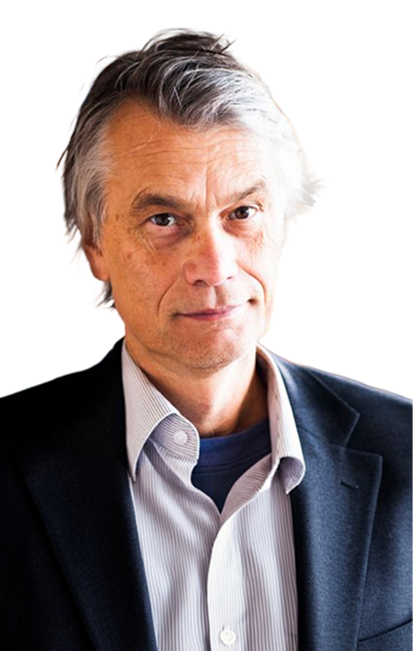
Mats Alvesson is one of the world’s leading thinkers in management and organisational studies. His work is distinguished by its critical examination of leadership, organisational culture and the assumptions underpinning modern business. A central theme of his research is why organisations bring together capable, intelligent people yet develop ways of working that constrain independent thinking, sound judgement and meaningful contributions to the business.
He is Professor of Organisation Studies at Lund University in Sweden and is also affiliated with the University of Bath and City St George’s, University of London. His research spans leadership, organisational identity, functional stupidity, organisational sludge, and the expansion of bureaucracy and regulatory requirements. He has authored or coauthored around 40 books that challenge conventional management thinking and raise a fundamental question: do the practices organisations adopt actually deliver the value they are intended to create?
His recent books include Anti Stupidity: How Organizations Can Trade Stupidity for Purpose, Return to Judgement: The Case for Post Infantilized Management and The Art of Less: How to Focus on What Really Matters at Work. Each explores, from a different perspective, how organisations can move beyond the uncritical acceptance of established practices and unnecessary complexity, creating more room for independent thinking, sound judgement and a sharper focus on what matters most.
Mats Alvesson is a Fellow of the British Academy. His distinctions include the Herbert Simon Award in 2024, the INSEAD Award for Rigour and Relevance in Research in 2025, and the International Leadership Association (ILA) Lifetime Contribution Award in 2025. His work has helped bring the concepts of functional stupidity and organisational sludge to the forefront of contemporary debates on management, organisational effectiveness and the future of work.
Mats Alvesson challenges the deeply rooted assumption that intelligent people, sophisticated systems and professional management are enough to make a company successful.
In practice, organisations can become so focused on compliance, the appearance of success and established routines that they begin to suppress precisely what they need to perform well: independent thinking, sound judgement and the willingness to question the status quo.
Functional stupidity occurs when people limit their knowledge and intelligence to what is expected, accepted or rewarded within an organisation, without questioning the broader purpose or consequences of their work. This approach can make collaboration easier and accelerate task completion in the short term, but it also discourages critical questions, limits learning and allows poor decisions to go unchallenged. The problem is not a lack of intelligence, but an organisational environment that discourages people from putting it to use.
Excessive procedures, unnecessary meetings, multiple approval layers and repetitive reporting consume time and attention without necessarily improving results. Individually, these activities may appear justified; together, they create organisational friction that slows decision making and draws people away from work that generates real value. Reducing organisational sludge means questioning the purpose of existing processes and removing those that no longer contribute to the organisation’s objectives.
More rules, performance metrics and management initiatives do not automatically lead to better results. More mature management begins when models, procedures and “best practice” solutions stop substituting for independent judgement and people take responsibility once again for their assessments, decisions and the consequences of their choices.
This is not a criticism of people who “do not think hard enough”. The more uncomfortable question is this: do our organisations sometimes reward people precisely because they do not ask the right questions?
Mats Alvesson’s session at Balkan Business Forum 2027 invites business leaders to examine how their organisations really operate: what drives results, what consumes time and resources unnecessarily, and where the potential of their people is being lost.
His insights are particularly relevant to leaders seeking to improve how their companies function, encourage independent thinking and direct more organisational capacity towards activities that create genuine business value.

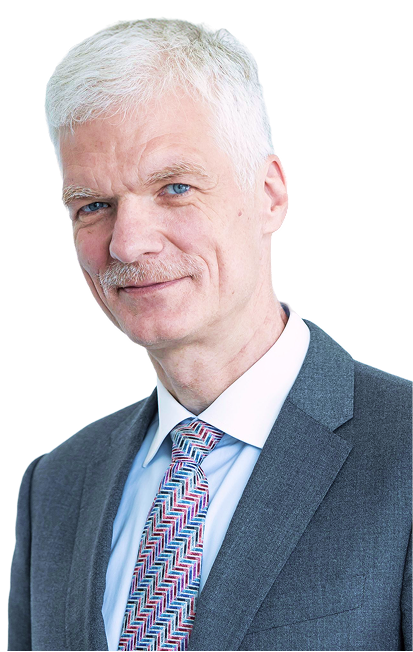
DIRECTOR FOR EDUCATION AND SKILLS, OECD
Initiator and Global Leader of PISA TEST
THE FUTURE OF WORK: WHEN EDUCATION BECOMES A BUSINESS PRIORITY
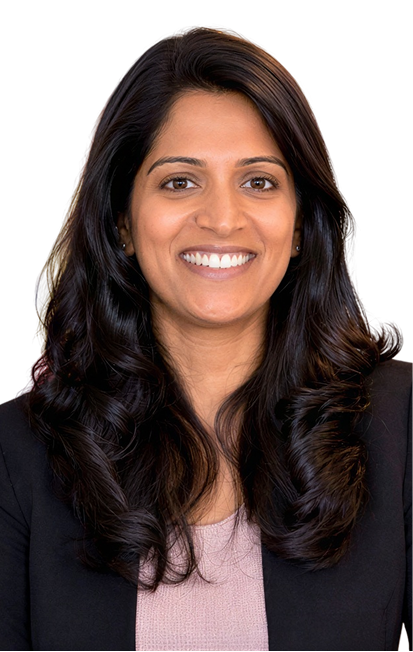
VICE PRESIDENT OF HR TRANSFORMATION, DIGITAL & AI, AIRBUS
AI TRANSFORMATION: FROM TECHNOLOGY TO BUSINESS VALUE

GrowthX Partner
HIGH GROWTH STRATEGY SPECIALIST
FROM RESET TO THRIVE: LEADING GROWTH AND PERFORMANCE THROUGH UNCERTAINTY
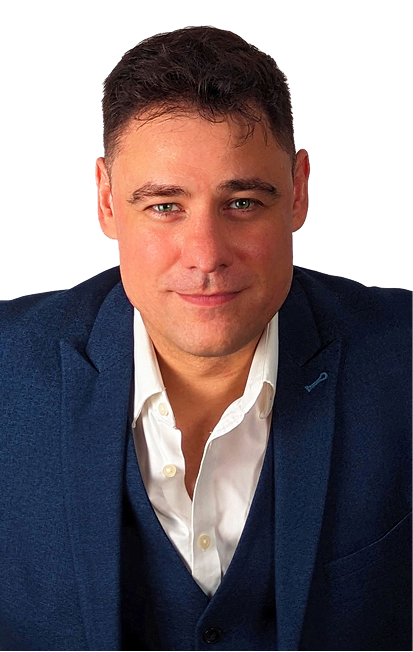
MANAGING DIRECTOR, NEXOID
CORPORATE GOVERNANCE & CULTURE RISK: DETECTING TOXIC BEHAVIOURS IN MODERN ORGANISATIONS
If you want to always be among the first to know everything about our events