

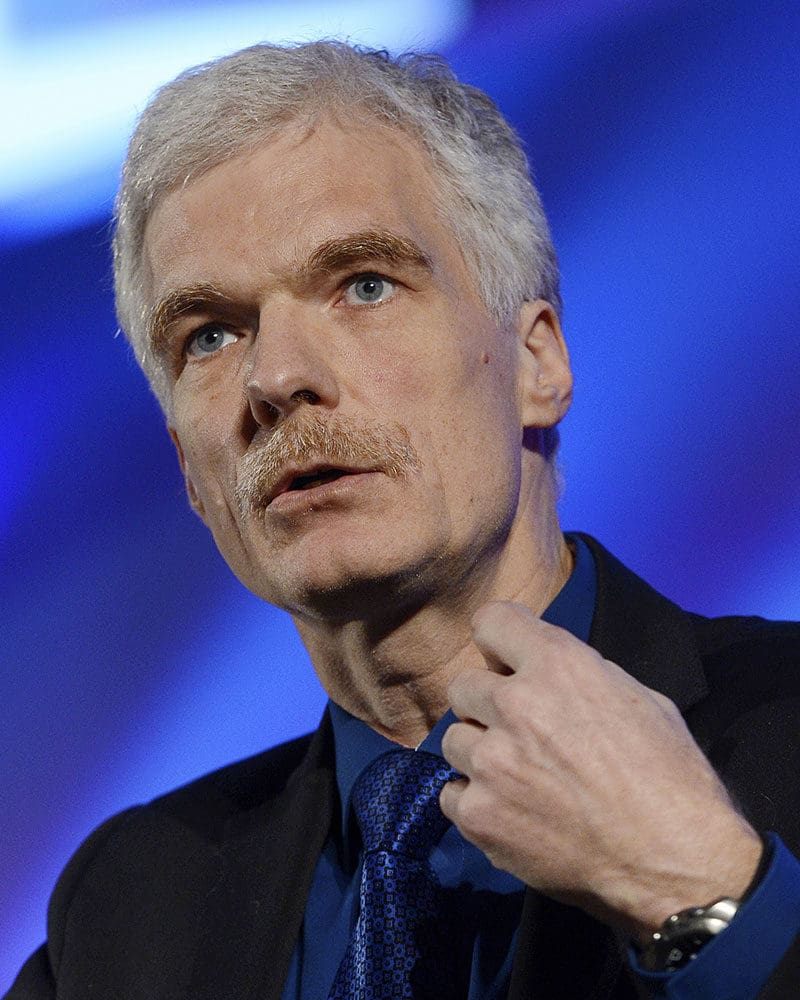
Andreas Schleicher is Director for Education and Skills at the Organisation for Economic Cooperation and Development (OECD). He initiated the Programme for International Student Assessment (PISA) and continues to lead its development, alongside other international assessment initiatives that have created a global platform for collaboration among policymakers, researchers and education experts across countries and cultures. These initiatives support the exchange of knowledge and experience, helping shape education policy and improve practice around the world.
For more than two decades, Schleicher has worked with ministers and leading education experts in over 80 countries, analysing education systems and examining how young people’s knowledge and skills shape their future opportunities and the economic competitiveness of nations.
His international influence is reflected in the words of prominent public figures. Arne Duncan, former US Secretary of Education, said that Schleicher “understands the global challenges better than almost anyone I’ve met and he tells the unvarnished truth.” Michael Gove, former UK Secretary of State for Education, described him as “the most important man in English education”, despite Schleicher being German and based in France.
His work raises a question that extends far beyond education: how do we develop people who can apply knowledge, think independently and respond to challenges that cannot yet be fully anticipated?
As a member of the OECD’s senior management team, Schleicher advises the Secretary General and provides strategic direction for the Directorate for Education and Skills, which has around 200 staff. Before joining the OECD, he served as a director at the International Association for the Evaluation of Educational Achievement (IEA).
He studied physics in Germany and earned a degree in mathematics and statistics in Australia. His honours include the Theodor Heuss Prize, named after the first President of the Federal Republic of Germany and awarded for outstanding contributions to democratic society. He is also an Honorary Professor at Heidelberg University in Germany.
PISA goes beyond measuring what students know. It assesses whether they can apply knowledge, solve problems and think independently. Its findings allow countries to compare education systems and assess how effectively they prepare young people for the challenges ahead. For employers, this offers valuable insight into the knowledge and skills future generations will bring to the labour market.
As AI and automation take over an increasing number of routine tasks, the advantage shifts to people who can exercise judgement, connect information and solve problems without readymade answers. This has important implications not only for education, but also for how companies develop their people and build the capabilities they will need in the years ahead.
Education systems and labour markets do not always evolve at the same pace. Data on young people’s knowledge and skills can help identify gaps between what people learn and what employers need. For companies in Serbia and across the region, these insights are relevant to decisions about developing people, strengthening organisational capabilities and preparing for future growth.
Andreas Schleicher’s session at Balkan Business Forum 2027 connects international evidence on education and skills with a strategic challenge facing business leaders: whether their organisations are developing the capabilities they will need to remain competitive.
For companies in Serbia and across the region, this means looking beyond immediate recruitment needs to understand the skills gaps that could constrain future performance. It also means treating investment in people as a strategic decision one that directly affects productivity, innovation and the organisation’s ability to adapt as the world of work changes.

VICE PRESIDENT OF HR TRANSFORMATION, DIGITAL & AI, AIRBUS
AI TRANSFORMATION: FROM TECHNOLOGY TO BUSINESS VALUE
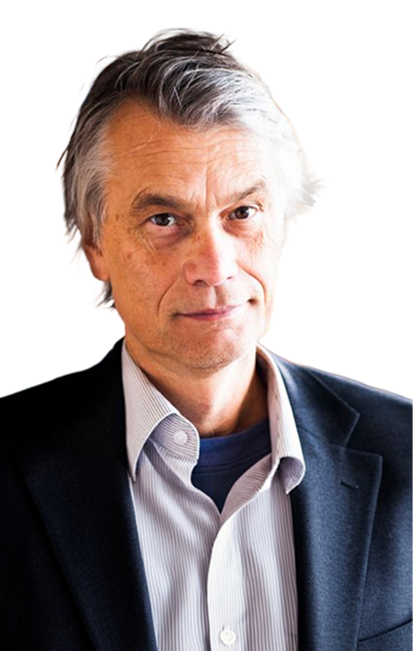
PROFESSOR OF ORGANISATION STUDIES, LUND UNIVERSITY, SWEDEN
AUTHOR OF RETURN TO JUDGEMENT AND ANTI STUPIDITY
ORGANISATIONAL SLUDGE & FUNCTIONAL STUPIDITY: ANTI STUPIDITY AS A KEY MANAGERIAL TASK

GrowthX Partner
HIGH GROWTH STRATEGY SPECIALIST
FROM RESET TO THRIVE: LEADING GROWTH AND PERFORMANCE THROUGH UNCERTAINTY

MANAGING DIRECTOR, NEXOID
CORPORATE GOVERNANCE & CULTURE RISK: DETECTING TOXIC BEHAVIOURS IN MODERN ORGANISATIONS
If you want to always be among the first to know everything about our events